
News
Handy tips for choosing plastic trays
Secondly,material Selection: Don't rely solely on manufacturers' claims – test the quality by weighing and handling the product. I once purchased a batch of recycled pallets for cost savings, but within less than a year, one-third of them cracked. Here's a simple method: For pallets of the same specifications, those that feel heavier and have a brighter surface finish are likely made from new HDPE material, which is impact-resistant and frost-resistant; even when stored in cold storage during northern winters, they rarely crack. Those with a dark color and a brittle texture are most likely recycled materials, often breaking easily after just two months of use. For chemical or food applications, choose PP material directly—it is acid and alkali resistant and easy to clean.
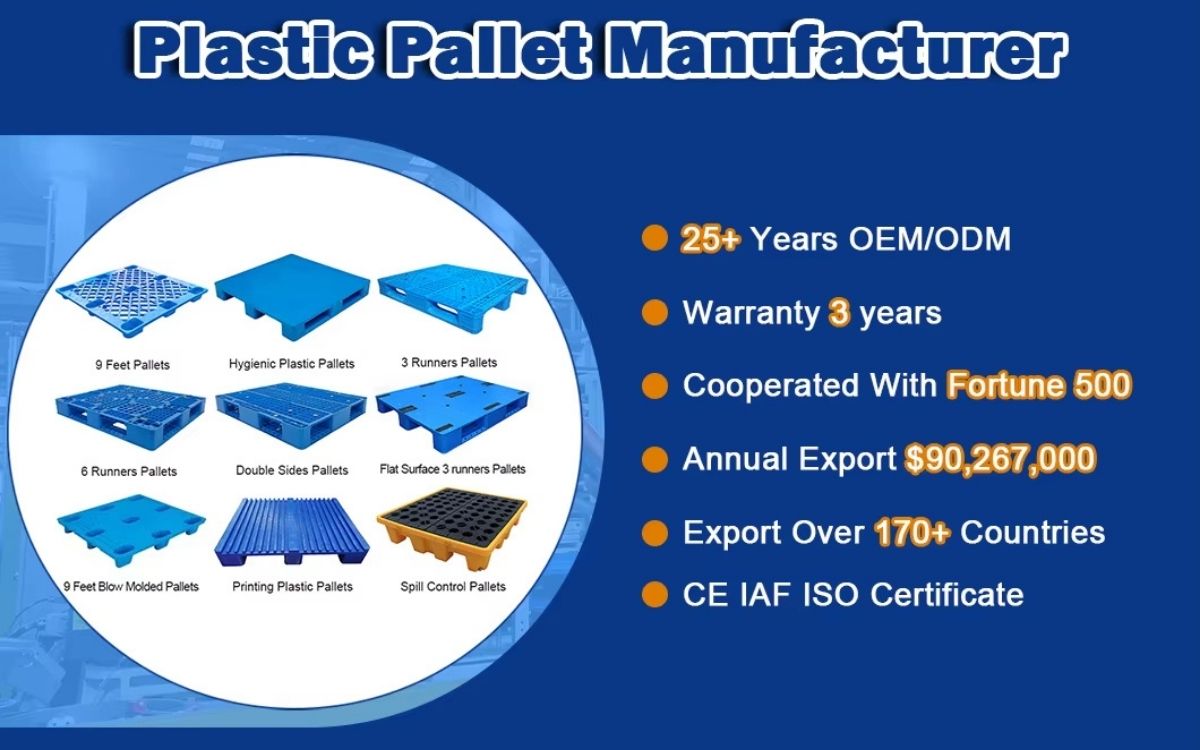
Thirdly,Wrong structural design: if the forklift can't fit, it's completely useless. I once bought a T-shaped pallet, but the warehouse only had manual pallet trucks that couldn't accommodate it at all, leaving half of the storage space unused. Here's a quick fix for lazy users: A.For manual handling of light loads, choose the nine-legged model – lightweight and cost-effective; B.For operations requiring forklifts or automated handling, opt for the S-shaped model which can be reinforced with steel pipes for heavy-duty use, making it the standard choice in 90% of conventional warehouses; C.For stacking three or more layers of heavy goods, select the double-sided model capable of supporting loads on both surfaces to prevent collapse during storage.
Final Practical Tips to Avoid Common Pitfalls: For standard dimensions, simply choose 1200×1000 mm – this is compatible with all available handling equipment on the market, eliminating the need for additional forklift modifications; Don't focus solely on unit prices – calculate the total lifecycle cost over five years: new pallets can last 5–8 years, making them far more economical than replacing them annually.